National Preparedness Month - Preparedness Begins With Awareness

Each September, FEMA raises awareness about the importance of preparing for disasters. We know they could happen at any time. Are you ready?

When disaster strikes—whether it’s a wildfire or a ransomware attack—the organizations that recover fastest have one thing in common: they prepared before the crisis hit.

Awareness is the first—and most reliable—line of defense. When you know what can go wrong, how you’ll be notified, and which systems and people are most at risk, you can act quickly and recover faster. That’s the spirit of National Preparedness Month: turning awareness into practical steps that protect your family and keep your business running. The latest partner toolkit from FEMA’s Ready Campaign distills the basics into four actions anyone can take: know your risks, plan what to do, have what you need, and get involved—a framework we adapt below for both home and work.

Why Awareness Matters

In 2024, the U.S. faced 27 billion-dollar weather disasters, and cyberattacks like ransomware continue to rise. Both can shut down operations, cost millions, and damage trust. The good news? The same habits that prepare you for a natural disaster also strengthen your cybersecurity posture.

Four Steps to Prepare for Both Storms and Breaches

1. Know Your Risks
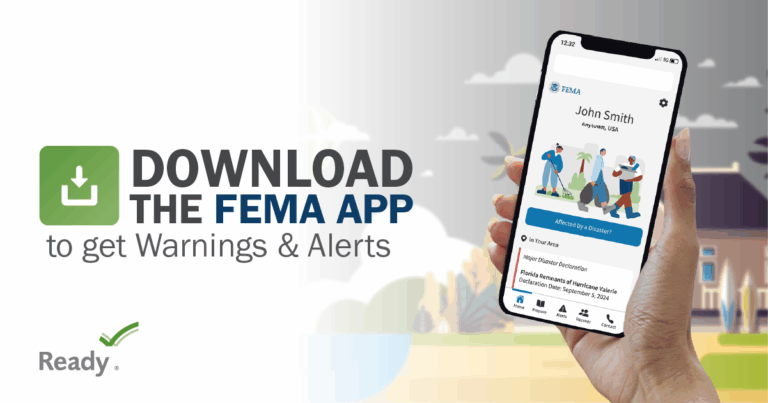
  • Natural Disaster: Identify local hazards—wildfires, floods, earthquakes, or power shutoffs. Sign up for alerts like FEMA AppWireless Emergency Alerts, and utility notifications.
  • Cybersecurity: Know your digital hazards—phishing, ransomware, insider threats. Enable security alerts from your antivirus, firewall, and cloud services.

Tip: Awareness starts with visibility. Keep an updated list of critical systems, apps, and data—just like you’d map evacuation routes for your home.

2. Plan Ahead
  • Natural Disaster: Create an evacuation plan and a communication tree for your family and your team. Decide who does what if the office is inaccessible.
  • Cybersecurity: Build an Incident Response Plan, Who isolates infected systems? Who talks to clients? Who calls your IT provider? Document roles and escalation paths.

Tip: Practice both plans. A 10-minute fire drill and a 15-minute ransomware tabletop can reveal gaps before the real thing does.

3. Have What You Need
  • Natural Disaster: Stock emergency kits—water, food, first aid, flashlights, and backup power.
  • Cybersecurity: Stock digital essentials:
    • Backups that work: Follow the 3‑2‑1‑1‑0 rule—3 copies, 2 media types, 1 off-site, 1 immutable, 0 errors after testing.
    • Offline copies: Just like a generator keeps lights on when the grid fails, an offline or immutable backup keeps your data safe when hackers strike.
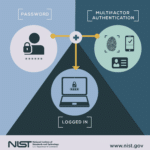
    • Access controls: Multi-factor authentication (MFA) and strong passwords are your “storm shutters” against intruders.
4. Get Involved
  • Natural Disaster: Join local preparedness programs or CERT training.
  • Cybersecurity: Train employees to spot phishing emails and run quarterly tabletop exercises for breach scenarios.

Tip: In both cases, the goal is muscle memory. When stress hits, people fall back on what they’ve practiced.

Power, Tech, and Security: The Overlap

  • Power: For wildfires and Public Safety Power Shutoffs (PSPS), have a generator or battery backup. For cyber, ensure critical systems can run in a clean recovery environment if production is compromised.
  • Connectivity: Dual internet providers or a 5G hotspot can keep you online during outages—or during a cyber incident when VPN traffic spikes.
  • Communication: Keep an alternate channel (like Teams on mobile or SMS) for when email is down—whether from a storm or a breach.

Take the Next Step: Test Your Communication Resilience

AWARENESS is the first step to preparedness, and planning can keep your business running during a wildfire, power outage, or cyberattack. But here’s the question: Can your team still communicate if email goes down, phones fail, or your main office loses power?

Find out with our Complimentary Communication Resilience Assessment

✔ Review your current communication channels and alerting systems
✔ Identify single points of failure that could leave you in the dark
✔ Provide quick, actionable steps to keep your team connected when it matters most

No cost. No obligationjust clarity and confidence.

Consider AllConnected's Suite of Services

Security and Disaster Recovery can be challenging and complex to understand. That’s why AllConnected is here to help. We offer a comprehensive suite of IT Solutions to ensure your business, employees, and extended teams stay secure, infrastructure remains available, and data and applications are always protected. This includes a variety of services such as cybersecurity assessments, email security, cybersecurity training, DNS security, managed detection and response, and much more.

Contact us today to get started on improving your security posture and protecting your lasting legacy. We look forward to working with you.

Want to talk with an expert?

24/7

How ready are you for the unexpected?

Get In Touch