Cybersecurity Awareness Month 2021:
Do Your Part #BeCyberSmart
Cybersecurity starts with YOU and is everyone’s responsibility. A recent Forbes article indicates that cybercriminals are increasingly targeting small businesses, so the need to #BeCyberSmart more important than ever.
Often overlooked, ransomware is on the rise as traditional work schedules have transitioned to hybrid or even remote workstations. With this in mind, personal computers, unsecured networks, and lack of employee training are the weakest links to protecting your business from cyberattacks.
For more information on CISA’s Cybersecurity Awareness Month, click here.
What Is Cybercrime?
Cybercrime is any crime which is committed electronically. This can include theft, fraud, blackmail, and property damage. Crime is a danger on, or offline and cyber self-defense basics can help keep you and your data out of the hands of attackers. Most commonly seen attacks can include identity theft, financial theft, and malware.
Prioritizing Cybersecurity: What’s the Big Deal?
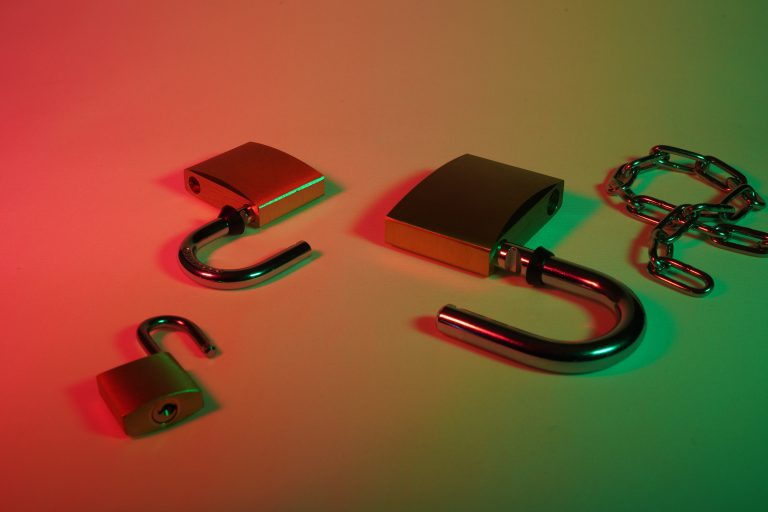
Being safe online isn’t so different from being safe in the physical world. We lock our doors, shut our gates, turn on the alarm system, and ensure all windows and entrances are secured. So why don’t most internet users take these types of precautions to protect their data and credentials? According to our CEO, Alan McDonald, many customers and new prospects may assume they are not a target for cybercriminals. Yet, 61% of small and medium-sized businesses have reported at least one cyberattack during the previous year; this proves that firewalls and antivirus software are just not enough to keep “the doors locked” on your infrastructure.
Without proper Cybersecurity practices, our Social Security numbers, passwords, usernames, credit card information, and much more can be put at jeopardy in a fraction of a second.
“In many cases where organizations have paid the ransom, the traditional costs associated with a breach remain. Similar to the notion that if somebody breaks into your house, not only do you have to buy your items back from a pawn shop, but you still have to mend the broken doors and windows.”
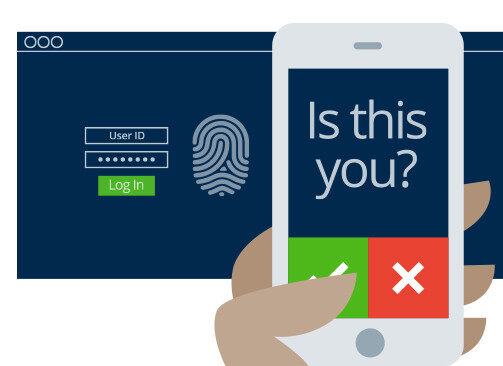
Data leaks are becoming more common. Most programs used to store passcodes will often alert you if any of your passwords appear in a data leak. For this reason, using a password for more than 1 account can be a huge security risk. Implementing MFA (multi-factor authentication) or 2FA (two-factor authentication) adds another layer of protection.
Duo by Cisco and Google Authenticator provides you with a temporary pin code and is usually only available for 30 seconds before it refreshes to a new combination. A password manager is great way to track those unique passwords. They’ll often offer a browser extension for auto filling text boxes. Of course, this is only the first step to keep your business and client’s data safe. By following these steps, you’re getting closer and closer to more secure internet browsing.
MFA/2FA Authentication
Password manager
Don't click links from unknown senders
Limit information you put online
Disable location services
Avoid using public networks
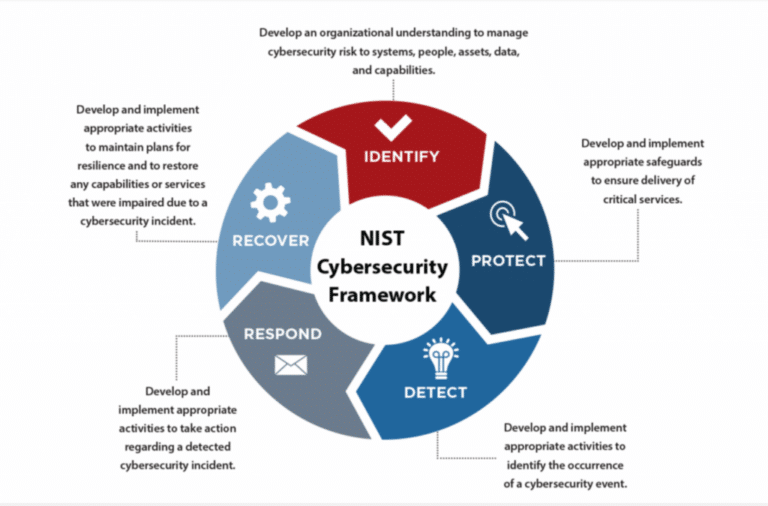
NIST Cybersecurity Framework
The five pillars of the NIST 800-171 Cybersecurity Framework help us outline how organizations should detect and respond to breaches.